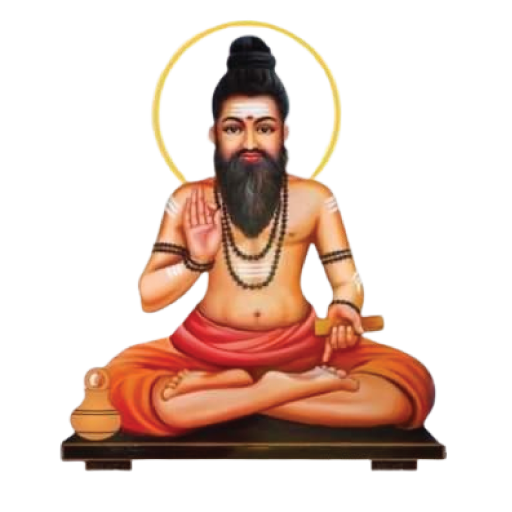
ஜாதகர்மா
ஜாதகர்மா
Jatakarma
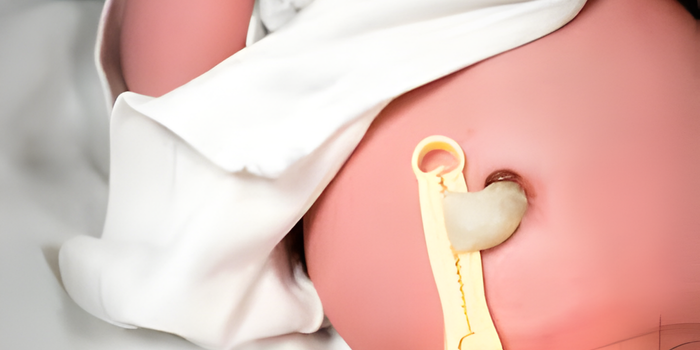
What is Jaata-Karma?
Jaata-Karma is the first purification, protection, and blessing ritual performed immediately after the birth of a child, practiced since the Vedic period.
It is formed from two Sanskrit words:
- Jaata – Birth
- Karma – Action / Ritual
Therefore, Jaata-Karma essentially refers to the first ritual performed for a newborn child.
2. Main Objectives of Jaata-Karma
- To welcome the newborn into the world
- To protect the child from negative forces
- To bless the child for health, longevity, and intellectual growth
- To remove birth-related doshas or inauspicious influences
- To instill positive energy and good fortune in the child’s life
3. When Should Jaata-Karma Be Performed?
- Immediately after birth, after cutting the umbilical cord or after giving the first mother’s milk
- Traditionally on the 11th or 12th day
- If the father is abroad, it can be performed upon his return
- If missed, it can be combined with the Naming Ceremony (Naamkaranam)
4. Role of the Father in Jaata-Karma
- This ritual is primarily performed by the father
- The father whispers sacred mantras or divine names into the baby’s ear
- Ghee or honey is placed on the child’s lips
- Elders instruct the father to view the child’s face for the first time (a duty connected to ancestral tradition)
5. Auspicious Times for Jaata-Karma
1. Auspicious Nakshatras
Ashwini, Uttaram, Uttaraadam, Ashtam, Thiruvonam, Mrigashirsha,
Chithirai, Avittam, Swathi, Sathayam, Punarpoosam,
Poosam, Anusham, Uttiratadhi, Revathi
2. Auspicious Tithis
Dwithiya, Thrithiya, Panchami, Saptami, Dashami, Trayodashi
Avoid: Amavasya, Prathamai, Chaturdashi
3. Auspicious Lagnas
Rishabha, Kanni, Thula, Dhanusu
4. Auspicious Weekdays
Monday, Wednesday, Thursday, Friday
6. Mandatory Situations for Performing Jaata-Karma
Baby having following birth conditions require Jaata-Karma plus additional parihara pooja:
Effects based on birth timing:
Birth during Tithi, Nakshatra, or Lagna Sandhi (Kandantharam) is inauspicious; Shanti remedies are required.
Kshaya Tithi (a tithi ending before the next sunrise) increases dosha.
Birth in the last pada of Kettai or first pada of Moola is unfavorable, especially in Chithirai, Aavani, Karthigai, and Thai months.
Birth during inauspicious yogas such as Vyatipata, Vyaghata, Vaidhriti, Kandam, Adhi Kandam, Vajram, and Vish Kanya Yoga is harmful
7. Important Doshas
1. Trikhal Dosha
- A boy born after three consecutive girls
- A girl born after three consecutive boys
This is considered inauspicious for the family according to scriptures.
2. Problems caused by being born under the same star.
If father and son, two brothers, or two sisters are born under the same Nakshatra, the elder person is believed to experience adverse effects, and performing a Shanti puja for the Nakshatra lord is considered mandatory