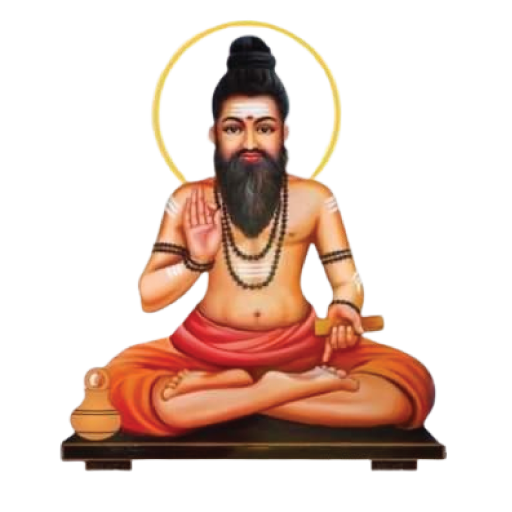
Baby Naming – Namakaranam

Baby Naming – Namakaranam

நாமகரணம்

நாமகரணம்
Nomenclature

To Know more About Namakaranam Muhurtham Click this Video

Pandit 20For 20Namkaran 20Puja 203

What is Namakaranam or "Peyer sooduthal"?

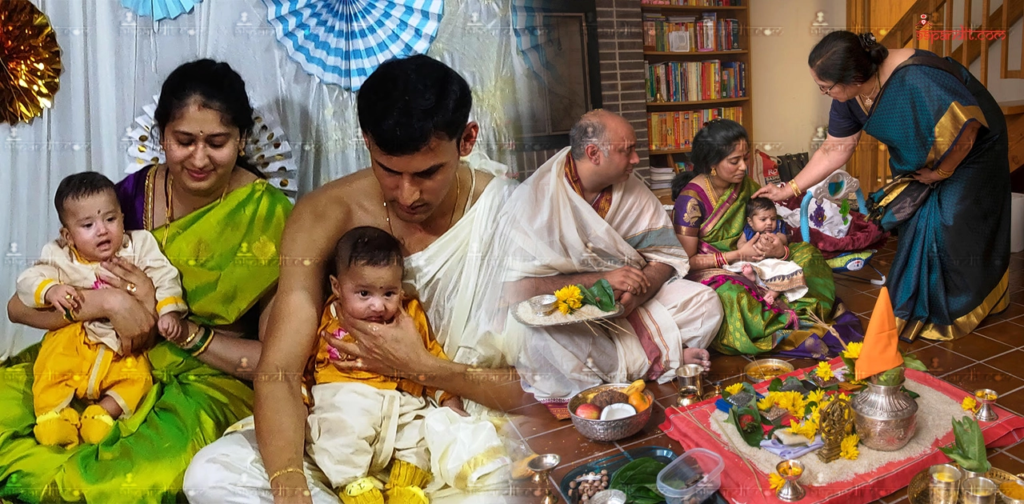
Namakaranam (Naming Ceremony) is an important Hindu ritual performed after the birth of a child.
The word “Nama” means “name and “Karana” means to bestow.
Thus, Namakaranam is the auspicious ceremony where a newborn is formally given a name.

In Vedic astrology, the child’s name is selected based on the birth star (Janma Nakshatra) and the corresponding syllables.
The Hoda Chakra provides detailed guidelines for choosing the correct syllables for each Nakshatra.

Methods of Naming a Child

Traditionally, five methods are followed for selecting a child’s name:

1. Naming after the Family Deity

Choosing the name of the Kuladeivam (family deity) as a blessing to the child.

2. Naming after the Lord of the Lunar Month

Selecting the name based on the ruling deity of the lunar month in which the child is born.

3. Naming Based on Birth Star Syllables

Choosing a name according to the syllables associated with the child’s birth Nakshatra.

4. Popular and Well-Known Names

Using meaningful, widely recognized names.

5. Family Names or Pet Names

Adopting ancestral names, family names, or affectionate pet names.

Guidelines to Follow While Naming the Child

For Boy Babies:

Names should contain Even number (2,4,6,8) of syllables.

For Girl Babies:

Names should contain odd number (3,5,7,9) of syllables.

General Guidelines

  • The name should be easy to pronounce and pleasant to hear.
  • Name must clearly indicate the gender of the child.
  • Avoid naming girl children after stars, rivers, trees, birds, mountains, or snakes.(Exceptions exist in Macha Purana.)

When Should the Naming Ceremony Be Performed?

The Namakaranam is traditionally conducted:

Between the 10th and 12th day after birth, or on the 16th, 20th, or 22nd day ,If these days are not suitable, an astrologically auspicious alternative day may be chosen.The ceremony is typically performed by the father or the elders at home.

If the child’s Jataka Karma (astrological ritual) has not been performed, it should be completed before naming.

Auspicious Nakshatras for Namakaranam

The following stars are considered highly suitable:

  • Ashwini , Moola
  • Uttara, Uttiradam
  • Rohini , Hasta , Thiruvonam
  • Mrigaseerisham , Chithirai , Avittam
  • Thiruvathirai , Swathi
  • Punarpoosam
  • Poosam , Anusham , Uthiratathi
  • Revathi

Auspicious Tithis

The following lunar days are favourable:

  • Dvitiya , Tritiya , Panchami , Sapthami , Dasami , Trayodasi

The following lunar days are  un favourable (Avoid):

  • Chaturthi , Sashti , Ashtami , Navami , Chaturdasi , Pournami , Amavasya

Auspicious Lagnas

Sthira Lagnas are considered excellent, while Ubaya Lagnas are excellent if they receive the aspect of benefic planets.

Recommended Lagnas

  • Taurus, Gemini , Cancer ,Virgo, Libra, Sagittarius, Pisces

Lagnas to Avoid

  • Scorpio , Leo , Aquarius

Auspicious Weekdays for Namakaranam are

  • Monday , Wednesday, Thursday , Friday

Important points for namakarana muhurtham

Favourable Planetary Positions

  • The Moon should be in 2nd, 3rd, 5th, 9th, or 10th house from the child’s Lagna.
  • Jupiter, Venus, and Mercury should ideally be in the Lagna or Kendra houses (1, 4, 7, 10).

Acceptable Positions

  • Malefic planets (Sun, Mars, Saturn, Rahu, Ketu) may occupy 3rd, 6th, or 11th houses.

Positions to Avoid

  • No planets should be in Lagna, 7th, 8th, or 12th houses, unless benefics are aspecting.

Additional Guidelines

  • No need to consider the combustion (Asthanga) of Jupiter and Venus for this ceremony.
  • Morning and midday times are best; evening or night should be avoided.
  • Avoid Sakuni or Vishti Karana during the ceremony.
Saulam

Saulam

மொட்டை அடித்தல்

மொட்டை அடித்தல்
Choula

You can download this sample single page horoscope from our website in download document section.

vikatan 2021 02 2c5bfd10 5612 472e 823d d6186a121ce2 602a3cca207e2

What is Choula (Mundan / Tonsure)?

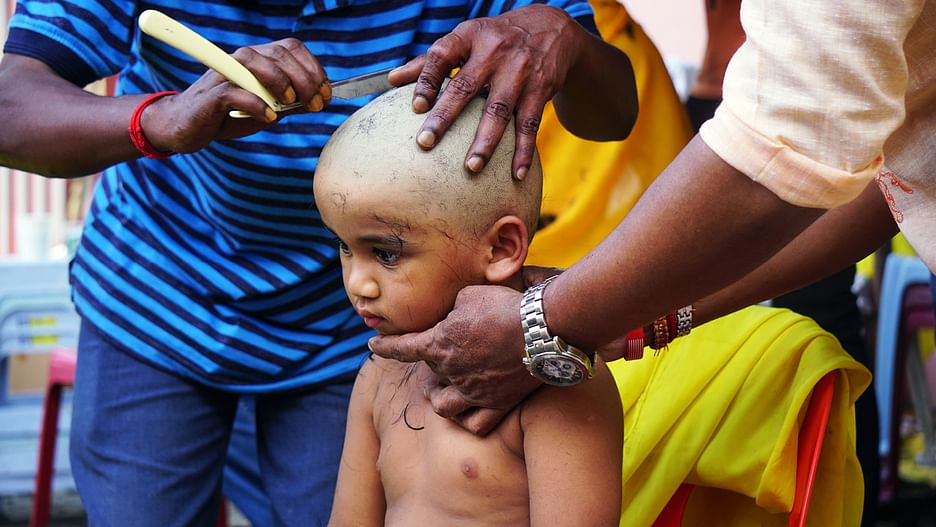
“Choula” or “Mundan” (choula / mundana / tonsure) refers to the ceremonial act of shaving a child’s head for the very first time. It is one of the 16 Hindu samskaras (rites of passage) and is also known as “Chudakarana” or “Kesha Khandan.”.

Where is the" Mottai Adithal" Ceremony Performed?

  • At the family deity temple (Kula Deivam)
  • At the chosen personal deity temple (Ishta Deivam)
  • At home in the presence of family priests
  • In Tamil Nadu, it is a traditional custom for the child to sit on the maternal uncle’s lap during the tonsure
  • Ear piercing and Mottai Adithal are usually performed on the same day, followed by a feast arranged for relatives

When Should Choula Be Performed?

Auspicious Years

  • It can be performed in the 1st, 3rd, 5th, or 7th year of the child
  • Most auspicious: 3rd year
  • If performed in the 3rd or 5th year, it should be done only after the completion of four tamil months of that year

Auspicious Period

• Uttarayana (Thai – Aani) is the best period
•  In Dakshinayana (Aadi – Margazhi) should be avoided

Benefits of Performing the Tonsure (Mottai Adithal) in Each Tamil Month

  • Thai  month– Enhances wealth, prosperity, and overall family well-being
  • Maasi month– Favors progeny and family growth
  • Panguni month– Improves the child’s health, vitality, and immunity
  • Chithirai month– Increases family prosperity, progress, and career development
  • Vaikasi month– Brings success in all efforts and provides victory over obstacles
  • Aani month– Bestows blessings for lineage growth and long-term family prosperity

Auspicious Stars for Mudi Kanikkai

  • Ashwini – Enhances longevity and health of the child
  • Hastham – Improves intelligence and educational growth
  • Thiruvonam – Favors career success, wealth, and social status
  • Mrigasira – Brings mental peace and good thinking
  • Chithirai – Enhances talent, creativity, and knowledge
  • Avittam – Brings divine blessings and family progress
  • Punarpoosam – Provides stability and general well-being
  • Poosam – Increases prosperity, grace, and spiritual benefits
  • Revathi – Considered the best for all auspicious ceremonies

Moderately Auspicious Stars

Uthiram, Uthiradam, Rohini, Swathi, Sadayam, Uthirattathi — these stars bring benefits slowly but ultimately yield positive results.

Inauspicious Stars (To Avoid)

Bharani, Karthigai, Thiruvathirai, Ayilyam, Magam, Pooram, Visakam, Anusham, Kettai, Moolam, Pooradam, Uthiradam — as these are associated with unfavorable results for this ritual.

Auspicious Days for Mudi Kanikkai

Monday, Wednesday, Thursday, and Friday are considered highly auspicious  for the Choula ceremony.

Days to Avoid

Tuesday and Saturday should be avoided 

Auspicious Tithis for Mudi Kanikkai

  • Dwitiya, Tritiya, Panchami – Bring prosperity, strength, and auspicious results
  • Saptami – Enhances solar energy giving good health
  • Dashami, Trayodashi – Favor success in all undertakings

Waxing moon vs. Waning Moon

Performing Choula during the waxing moon (Shukla Paksha) increases longevity, growth, and health;
Performing it during the waning moon (Krishna Paksha) may cause reduced longevity or financial instability.

Auspicious Lagna for Mudi kanikkai

Taurus, Gemini, Cancer, Virgo, Libra, Sagittarius, and Pisces are ideal ascendants that enhance the positive effects of the ceremony.

Inauspicious Lagna

Aries, Leo, Scorpio, and Aquarius are generally avoided as they may reduce the ritual’s positive impact.

Important Rules to Follow During Mudi Kanikkai

  • Sun, Mars, Saturn, Rahu, or Ketu should not occupy the 7th house
  • Venus should not be in the 8th house
  • Jupiter and Venus should not be in Ashtakam
  • The Mudi Kanikkai must not be performed at night
  • Chandra Bala and Tara Bala must be checked
  • For Janma star, the 2nd, 4th, 6th, 8th, and 9th stars are auspicious
  • The 22nd star (Vainashika) must be strictly avoided
  • For elder boys and girls, the months of Aani and Margazhi should not be chosen
  • If it is done on a wrong day due to unavoidable reasons, it must be redone on an auspicious day
  • Head shaving associated with funeral rituals should not be done on a Friday
  • Mundan can be combined with the Upanayanam ceremony
  • The mother should not be five months pregnant when the head shaving ceremony is performed for the child (in the 1st, 3rd, or 5th year).
  • This ritual can be performed even if the mother was pregnant for more than five years.
  • While the wife is pregnant, the husband should not shave his head
  • After the child is born, Mottai should be done only after the 10th day
Vidyaarambam – Education Muhurtham

Vidyaarambam – Education Muhurtham

வித்தியாரம்பம்

வித்தியாரம்பம்
Methodology

To watch Complete video about Vidyarambham click here

56398252

Akshara Aarambham & Vidyarambham

The first sacred ceremony marking the beginning of a child’s educational journey

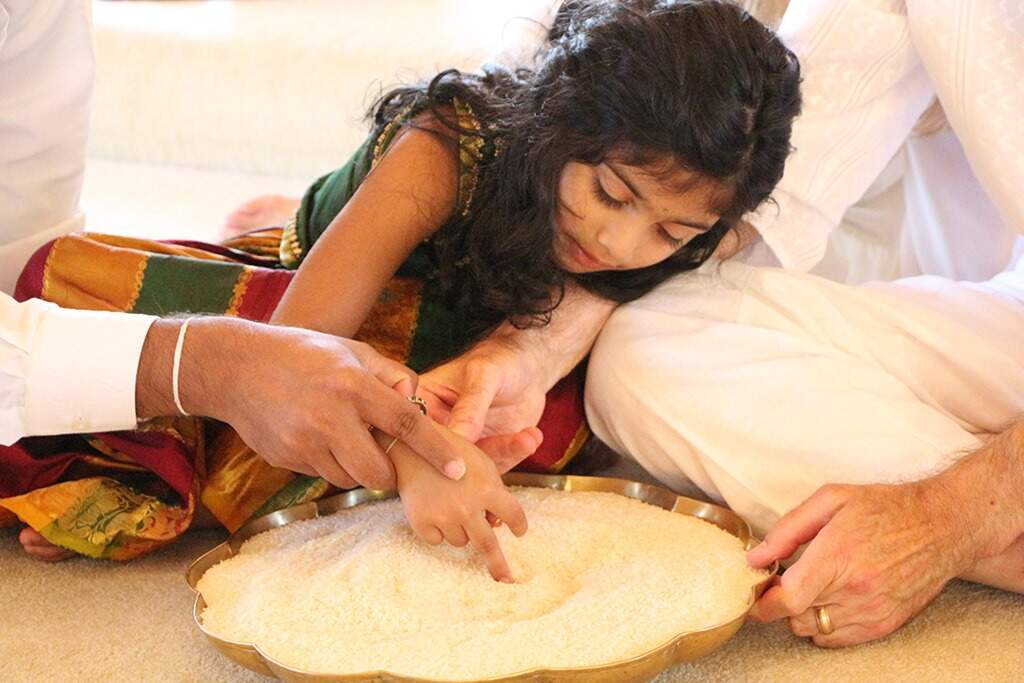
Akshara Aarambham or Vidyarambham is the most significant educational ritual where a child is introduced to letters for the very first time.
It is considered the first step in the child’s intellectual development.

Ideal Age for the Ceremony

  • The ceremony can be performed once the child completes 4 years and enters the 5th year.
  • Odd years (odd-numbered ages) are considered auspicious.
  • Even ages are generally avoided.

Types of Vidyarambham

  • Aksara Learning – Can be performed even before Upanayanam.
  • Formal Vidya Beginning – Can be done after Upanayanam.

Best Period (Season / Timing)

  • Uttarayana period (from Thai to Aani) is highly auspicious.
  • It is good to avoid Maasi month (Kumbha rasi month).
  • Shukla Paksha (Waxing Moon) is ideal.

If performed during Krishna Paksha (Waning Moon):

    • Divide the paksha into 3 parts.
    • Perform during the first part (within the first 5 tithis).

How to Begin the Ceremony

  • Perform a simple puja to Lord Ganesha and Goddess Saraswati.
  • Offer sweet pongal or any sweet dish as naivedyam before starting.

Auspicious Stars (Nakshatras)

Ashwini , Hastham , Thiruvonam , Chithirai , Swathi , Thiruvathirai , Punarpoosam , Anusham , Revathi

Auspicious Days

  • Best days: Wednesday, Thursday, Friday
  • Moderate days: Sunday, Monday
  • Avoid: Tuesday, Saturday

Auspicious Tithis

Highly favourable tithis:

Dvitiya , Tritiya , Panchami , Saptami , Dashami , Trayodashi

Avoid following tithis:

Prathamai , Chaturthi , Shasti , Ashtami , Navami , Chaturdashi , Amavasya , Pournami

Auspicious Lagnas

Avoid following tithis:

  • Ubaya Rasis: Most favourable for Muhurtha Lagna
  • Chara Rasis: Moderate
  • Sthira Rasis: Avoid

Bhava Shuddhi – Vidyarambha Lagna Principles

Key Rules:

  • No planet should occupy the 8th house.
  • 5th house (intelligence) is best when Mercury, Jupiter or Venus are placed there.
  • 4th house (education) is best when Mercury, Jupiter or Venus occupy it.
  • If Sun (Atma Karaka) and Mercury (Vidya Karaka) are together, the native excels academically.
  • Mercury should not be combust or debilitated.
  • Avoid Sakuni & Vishti Karana.
  • Navamsa Lagna should not be in the houses of Sun or Mars.
  • In transit, Moon and Mercury should be well placed.
  • Jupiter and Venus should not be in combustion.

Most Auspicious Planetary Combinations for vidyarambham

  1. Mercury-Based Combinations (Wednesday – Virgo Sign – Mercury)
  • On Wednesday, under a star belonging to the Mercury group, with Gemini or Virgo Lagna and Sun, Moon, and Mercury placed in Mercury’s Navamsa divisions – education prospers.
  • On a Wednesday morning, if Mercury is in its exalted sign (Virgo) at its highest exaltation point (15°) and conjoined with the Sun at sunrise – it brings exceptional educational success.
  • On Wednesday with Virgo Lagna, if Mercury and the Sun are together, and
    • Sun is between 20° and 30°,
    • Mercury is in Taurus in the Dasamsa chart,
      the time becomes highly auspicious.
    • On Wednesday, if
      • Virgo is the Lagna,
      • Mercury is in Hastham’s 3rd pada,
      • Mercury occupies Gemini Navamsa,
        this forms an excellent Muhurtham.
    • When Mercury is exalted in Virgo, Virgo becomes the Lagna, and except for Tuesday and Saturday, all other days become favourable for education.
  1. Jupiter & Venus Combinations
  • When Jupiter is exalted and occupies the Vidyarambha Lagna – it is auspicious on all days except Tuesday and Saturday.
  • Thursday – Cancer Lagna – Jupiter exalted: Highly favourable.
  • Friday – Pisces Lagna – Venus exalted: Extremely auspicious.
  • If
    • Sun is exalted in Aries,
    • Mercury is in Taurus, and
    • Venus is exalted in Pisces
      forming vargothama (varga uttama) – it is considered one of the best combinations for education.
Ritu shuddhi – repair

Ritu shuddhi – repair

ருதுசுத்தி

ருதுசுத்தி
repair

To watch Complete video about Ruthu Suthi click here

KKOP

Ruthu Suthi (Age Attending Ceremony)

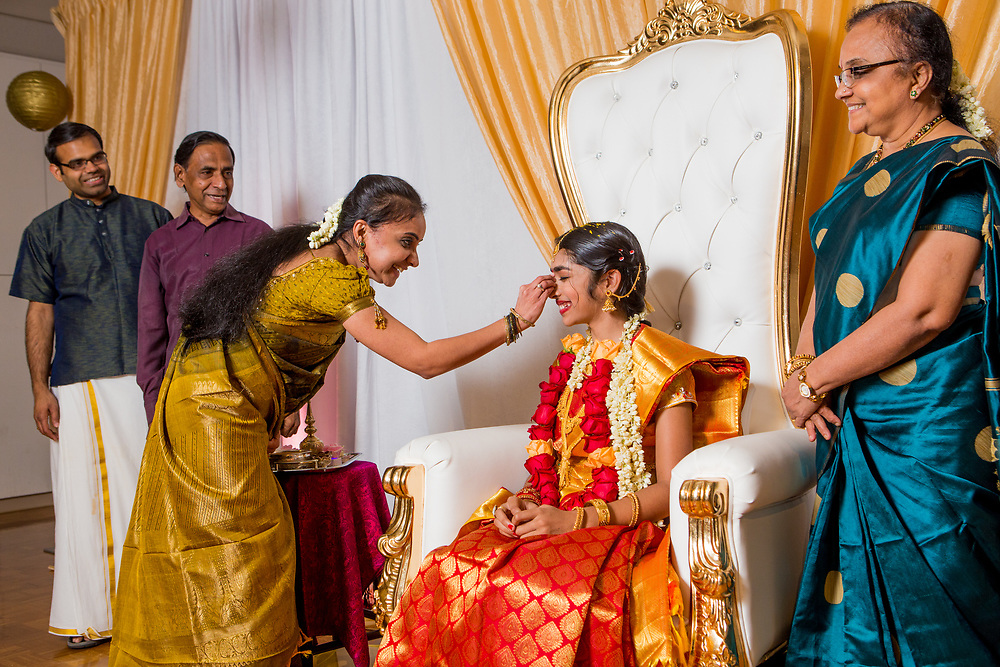
Ruthu Suthi, also known as the Age Attending Ceremony(Puberty), is a traditional ritual performed when a girl attains her first menstruation. This milestone is considered extremely important in Hindu culture, symbolizing the girl’s transition into womanhood.

During this period, astrologers also assess the girl’s horoscope based on the timing and planetary influences to understand her nature, future marital life, spouse compatibility, and prospects for childbirth.

Traditionally, the ceremony is performed after the girl completes her menstrual cycle—usually on the 5th or 7th day after taking a purifying bath and entering the home in a cleansed state.

Purpose of the Poopunitha Neerattu Vizha (Holy Bathing Ceremony)

This ceremony signifies that a young girl has reached reproductive maturity—both physically and socially. It marks an important milestone in her life journey and prepares her for the new phase of womanhood.

Meaning of Ruthu Suthi

The term “Ruthu” means season or cycle, and “Santi” means peace or purification. Therefore, Ruthu Santi refers to the process of bringing physical, emotional, and spiritual harmony during the girl’s transition to puberty.

The ritual helps cleanse negative or unsettled energies and blesses the girl as she enters a new stage of life.

Pujas Performed During the Ceremony

The ceremony includes:

  • Ganapathi Puja
  • Kalasa Puja
  • Punyahavachanam – A sacred purification performed using holy water to cleanse both the girl and the surroundings.

What is Punyahavachanam?

Punyahavachanam is a traditional Vedic purification ritual performed at home during important life events such as childbirth, puberty, auspicious ceremonies, or housewarming.

  • Punya means sacred or auspicious
  • Avachanam means bathing or purifying

Together, it signifies a holy cleansing ritual that sanctifies the space and the individual.

When is Punyahavachanam Performed?

It is commonly performed:

  • After the Ruthu Suthi ceremony
  • When a newborn enters the home
  • Before housewarming ceremonies
  • Before engagements or weddings
  • Before rituals like Annaprasanam or Namakaranam

Important Horoscopes for a Girl in Hindu Tradition

Astrologically, the following horoscopes hold great significance:

  • Birth Horoscope
  • Ruthu Suthi / Puberty Horoscope
  • Engagement Horoscope
  • Wedding Day Horoscope
  • Shanti or Conception Horoscope

Traditional Customs and Practices

Isolation (Dheettu Clearing Period)

From the first day of menstruation, the girl stays in a separate space within the home for 5 to 16 days, depending on family customs. During this period, she avoids common areas and follows specific dietary guidelines.

Monitoring and Care

The girl is provided with nutritious foods such as sesame oil, urad dal porridge (ulunthu kali), palm jaggery, and other strengthening items to support her physical well-being.

Holy Bathing (Poopunitha Neerattu)

After the designated number of days—often on the 11th or 16th day—the holy bathing ceremony is performed in the presence of family and relatives. This marks the end of impurity and symbolizes purification.

Role of Relatives

Close family members such as maternal uncles, aunts, and elders actively participate in the ceremony. They present the girl with sarees, jewelry, and traditional gifts, celebrating her transition into womanhood.

Jatakarma

Jatakarma

ஜாதகர்மா

ஜாதகர்மா
Jatakarma

To Know More About Jaada karma click this video

Website Images Part 2 7

What is Jaata-Karma?

Jaata-Karma is the first purification, protection, and blessing ritual performed immediately after the birth of a child, practiced since the Vedic period.
It is formed from two Sanskrit words:

  • Jaata – Birth
  • Karma – Action / Ritual

Therefore, Jaata-Karma essentially refers to the first ritual performed for a newborn child.

2. Main Objectives of Jaata-Karma

  • To welcome the newborn into the world
  • To protect the child from negative forces
  • To bless the child for health, longevity, and intellectual growth
  • To remove birth-related doshas or inauspicious influences
  • To instill positive energy and good fortune in the child’s life

3. When Should Jaata-Karma Be Performed?

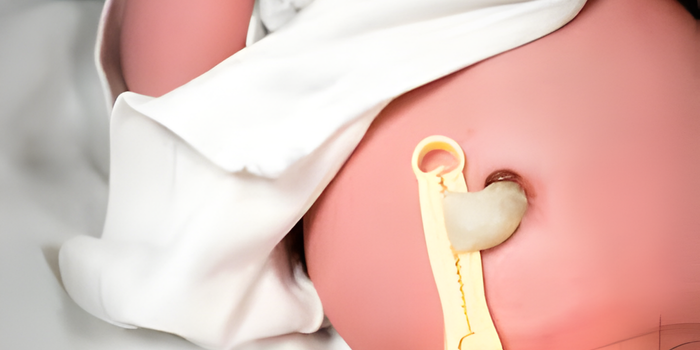
  • Immediately after birth, after cutting the umbilical cord or after giving the first mother’s milk
  • Traditionally on the 11th or 12th day
  • If the father is abroad, it can be performed upon his return
  • If missed, it can be combined with the Naming Ceremony (Naamkaranam)

4. Role of the Father in Jaata-Karma

  • This ritual is primarily performed by the father
  • The father whispers sacred mantras or divine names into the baby’s ear
  • Ghee or honey is placed on the child’s lips
  • Elders instruct the father to view the child’s face for the first time (a duty connected to ancestral tradition)

5. Auspicious Times for Jaata-Karma

1. Auspicious Nakshatras

Ashwini, Uttaram, Uttaraadam, Ashtam, Thiruvonam, Mrigashirsha,
Chithirai, Avittam, Swathi, Sathayam, Punarpoosam,
Poosam, Anusham, Uttiratadhi, Revathi

2. Auspicious Tithis

Dwithiya, Thrithiya, Panchami, Saptami, Dashami, Trayodashi

Avoid: Amavasya, Prathamai, Chaturdashi

3. Auspicious Lagnas

Rishabha, Kanni, Thula, Dhanusu

4. Auspicious Weekdays

Monday, Wednesday, Thursday, Friday

6. Mandatory Situations for Performing Jaata-Karma

Baby having following birth conditions require Jaata-Karma plus additional parihara pooja:

Effects based on birth timing:

  • Birth during Tithi, Nakshatra, or Lagna Sandhi (Kandantharam) is inauspicious; Shanti remedies are required.

  • Kshaya Tithi (a tithi ending before the next sunrise) increases dosha.

  • Birth in the last pada of Kettai or first pada of Moola is unfavorable, especially in Chithirai, Aavani, Karthigai, and Thai months.

  • Birth during inauspicious yogas such as Vyatipata, Vyaghata, Vaidhriti, Kandam, Adhi Kandam, Vajram, and Vish Kanya Yoga is harmful

7. Important Doshas

1. Trikhal Dosha

  • A boy born after three consecutive girls
  • A girl born after three consecutive boys

This is considered inauspicious for the family according to scriptures.

2. Problems caused by being born under the same star.

If  father and son, two brothers, or two sisters are born under the same Nakshatra, the elder person is believed to experience adverse effects, and performing a Shanti puja for the Nakshatra lord is considered mandatory

WeCreativez WhatsApp Support
Our customer support team is here to answer your questions. Ask us anything!
👋 Hi, how can I help?