Seamandam

Seamandam

சீமந்தம்

சீமந்தம்
Seamandam

To watch Complete video about Seemantham click here

ct120820 180

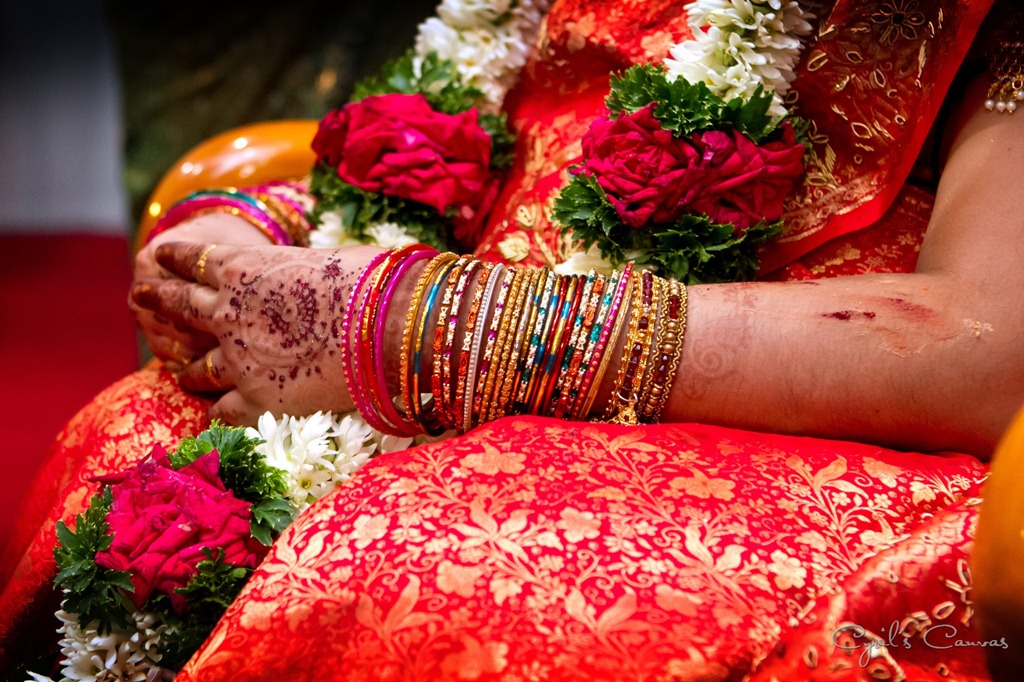
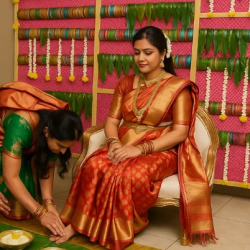
Seemantham (Babys shower / Valaikappu)

Seemantham is an important prenatal ritual performed for the physical and emotional well-being of a pregnant woman and for the healthy development of the baby in the womb.

Seemantham ritual reduces mental stress, brings auspicious energy to the mother, and blesses her with prosperity and positive vibrations.

After the Seemantham ceremony, the pregnant woman is traditionally taken to her mother’s home, where she spends time with relatives and friends, which provides emotional comfort and happiness.

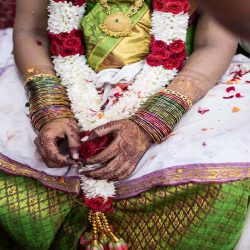
In the Valaikappu ceremony, bangles are placed on the mother-to-be. It is believed that these bangles keep her happy and create positive energy, which supports the healthy growth of the baby.

1. In Which Month Should Seemantham Be Performed?

  • Seemantham must be performed in the 5th or 7th month of pregnancy Period.
  • Valaikappu (Baby Shower) should be done only in odd months(5,7,9).
  • Seemantham can be performed for every pregnancy, not only for the first one.
  • The ceremony must be performed based on the pregnant woman’s birth star (Nakshatra).
  • If the woman’s horoscope shows issues related to conception or childbirth, Seemantham becomes essential.
  • The ritual supports the mother’s physical and mental health and aids the brain development of the fetus.
  • It grants the expectant mother the auspicious status of “Saubhagyavati”.

2. Auspicious Nakshatras for Seemantham

Ashwini, Moolam, Uttaram, Uttiradam, Roohini ,Ashtam, Thiruvonam, Mrigashirsha, Chithirai, Avittam, Swathi, Sadayam, Punarpoosam, Poosam, Anusham, Uttiratadhi, Revathi.

3. Auspicious Tithis for Seemantham

  • Dwithiya, Trithiya, Panchami, Sapthami, 
  • Dwithiya, Sapthami and Thrayodasi are highly auspicious
  • Amavasya, Prathamai, Chathurthasi must be avoided

4. Auspicious Lagnas for Seemantham

  • Rishabha (Taurus), Kanni (Virgo), Thula (Libra), Dhanusu (Sagittarius)

Lagnas to Avoid:

• Simha, Mithuna, Vrischika, Magaram, Kumbham

5. Auspicious Weekdays for Seemantham

  • Monday, Wednesday, Thursday, Friday
  • Days ruled by male planets are more auspicious (avoid Tuesday)
  • Days ruled by female planets give moderate results
  • Days ruled by neutral (ali) planets should be avoided

6. Rules for Fixing Muhurtham for Seemantham / Valaikaappu

  • Auspicious planets must occupy Kendra or Trikona from the selected Lagna
  • Malefic planets should occupy 3, 6, or 11 houses
  • Moon must be strong in the horoscope
  • 8th house must be clear; no benefic or malefic planets should occupy
  • If a planet occupies 8th house, the house lord should be placed in Kendra with benefic aspect
  • Pattirai Karana is not allowed
  • Vyathipatha Yoga should be avoided
  • The Lagna at the moment the mother enters the labor room should not fall in the 6th or 8th sign from her Janma Lagna
  • Malefic planets in 5, 8, or 12 houses from Lagna harm pregnancy
  • Chandrashtama days must be avoided
  • Select a day with Tara Bala; avoid Vainashika Nakshatra (22  Nakshatra from birth Star)

7. Monthly Planetary Lords and Deities to Be Worshipped During Pregnancy

  • 1st month – Venus: Sri Bhuvaneshwari, Sri Lakshmi, Indrani
  • 2nd month – Mars: Lord Murugan, Kshetrapalakas
  • 3rd month – Jupiter: Indra, Brahma, Sri Dakshinamurthy
  • 4th month – Sun: Shiva worship
  • 5th month – Moon: Sri Gowri, Sri Durga
  • 6th month – Saturn: Lord Hanuman, Lord Bhairava
  • 7th month – Mercury: Lord Vishnu
  • 8th month – Ruling planet of conception (depends on horoscope)
  • 9th month – Moon: Sri Gowri, Sri Durga
  • 10th month – Sun: Shiva worship

8. Actions the Husband Must Avoid During Wife’s Pregnancy

  • Should not cut hair or nails (unless absolutely necessary)
  • Avoid long-distance or foreign travel
  • Avoid pilgrimages or long journeys
  • Should not bathe in the sea
  • Should not initiate house construction work
  • Should not carry a dead body
  • Should avoid participating in funeral rites

9. Vishnu Pooja in the 8th Month

  • Performing Vishnu Pooja in the 8th month enhances the baby’s safety and development
  • Should be performed on Waxing Moon (Shukla Paksha) – Saptami or Dwadashi
  • Must be completed before afternoon
  • Best performed on Rohini, Thiruvonam, or Poosam Nakshatra
  • The 8th house from the selected Lagna must be clear
Pumsavanam

Pumsavanam

பும்சவனம்

பும்சவனம்
Pumsavana

To watch Complete Pumsavana video click here

98565371 ccb9 4dbb bbd8 fd6651c9c34d

What is Pumsavana?

Pumsavana is one of the traditional Samskaras performed for pregnant women.
The term “Pumaan” refers to a male child, and “Savanam” means invoking or bringing forth.

This ceremony is performed with the intention of:

  • Ensuring the health, strength, and good qualities of the developing fetus.
  • Praying for the birth of a male child, when desired.

When is Pumsavana Performed?

  • Ideally performed during the 3rd or 4th month of pregnancy.
  • During pregnancy, each month is governed by a different planet. Jupiter is the ruling planet for the third month, and he is also karaka for progeny and also for male children.
  • The gender of the fetus is determined around the 3rd month.
  • The ceremony is best performed before the quickening, i.e., before fetal movements are felt.

Ritual Process

  • The ceremony is conducted by offering prayers to Lord Vishnu.
  • The husband pours the sap extracted from a young leaf of the Peepal tree  into the nostril of the pregnant woman : if the couple desires a male child pours in right nostril, if they desire a female Pours in Left nostril
  • .According to Ayurveda, this herbal extract supports a healthy pregnancy and reduces various Pregnancy complications.
  • References to this procedure can be found in ancient Ayurvedic texts like Charaka Samhita.

Auspicious nakshatras

Subha Nakshatras

  • Ashwini , Moolam
  • Uttiram,Uttiradam
  • Hastam, Thiruvonam
  • Mrigashirsham, Chitrai, Avittam
  • Swati, Avittam
  • Punarpoosam
  • Poosam, Anusham, Uthirattathi
  • Revati

Star to Avoid: Rohini

Subha Tithis

Dwithiya , Thrithiya , Panchami , Sapthami , Dashami ,

Highly Auspicious tithis : Dwithiya , Sapthami , Trayodashi

Tithis to Avoid : Amavasya, Prathama, Chaturdashi

Suba Lagnam

Taurus , Gemini , Cancer , Libra , Sagittarius

Lagnas to Avoid : Leo, Virgo, Scorpio, Aquarius, Pisces

week days

Auspicious Weekdays : Monday , Wednesday , Thursday , Friday

Horoscopic & Planetary Conditions

  • Benefic planets must be in the trine houses (1, 5, 9) from the ascendant.
  • Malefic planets are  in 3rd, 6th, or 11th houses consider auspicious
  • The Moon must be strong in the horoscope on that day.
  • No planets should occupy the 8th house.
  • Bhadra Karana and Vyatipata Yoga must be avoided.

Traditional Practice

  • In ancient times, the ceremony was mostly performed in Pusa Nakshatra.
  • Due to modern practical constraints, the ritual is now performed on other male nakshatras as well.
Keshanta

Keshanta

கேஷாந்தா

கேஷாந்தா
Keshanta

You can download this sample single page horoscope from our website in download document section.

freepik candid image photography natural textures highly r 86903

கேஷாந்தா என்பது இளைஞர்கள், குறிப்பாக ஆண்கள், மீசை மற்றும் தாடியை மழிக்கும் பாரம்பரிய சடங்கு ஆகும். இது மாணவன் அல்லது இளைய ஆண் சமூகத்தில் பெரியவராக அறியப்படுவதற்கான அடையாளம் ஆகும்.

இந்த சடங்கின் போது குடும்பத்தார் மற்றும் நண்பர்கள் இணைந்து, இளைஞரின் தோற்றத்தை புதியதாய் மாற்றி, அவரை சமூகத்தில் முழுமையான வயதுக்குரியவராக ஏற்றுக்கொள்கின்றனர். இது மதிப்பு, மரியாதை மற்றும் பொது வாழ்வில் பொறுப்புக்குரியவராக உயர்த்தும் செயல்பாடு ஆகும்.

freepik candid image photography natural textures highly r 86900

Key Features

  • சடங்கின் நோக்கம்: இளைஞரை சமூகத்தில் பெரியவர் மற்றும் பொறுப்புக்குரியவராக அறிமுகப்படுத்துதல்.

  • செயல்: மீசை மற்றும் தாடியை மழித்தல்.

  • பங்கேற்பவர்கள்: குடும்பத்தார், நண்பர்கள் மற்றும் சமூக தலைவர்கள்.

  • பாரம்பரியம்: பாரம்பரிய விதிகளுக்கேற்ப நிகழும் ஒரு சமூக சடங்கு.

  • சமூக அர்த்தம்: மதிப்பு, மரியாதை, பொறுப்பு மற்றும் சமூக அடையாளத்தை வழங்கும்.

  • உற்சவம்: பெரும்பாலும் சிரமம் இல்லாமல் மகிழ்ச்சியாக நடைபெறும், சிறிய உற்சவ உணவோடு இணைந்து கொண்டாடப்படுகிறது.

Vedarambam

Vedarambam

Vedarambam

வேதாரம்பம்
Vedarambam

You can download this sample single page horoscope from our website in download document section.

freepik candid image photography natural textures highly r 86903

வேதாரம்பம் என்பது குழந்தைகளை குருவிடம் அனுப்பி வேதங்கள், சமஸ்கிருதம் மற்றும் போர்க் கலையை கற்றுத்தரும் பழமையான தமிழ் பண்பாட்டு முறையாகும். குழந்தைகள் இவ்வழியாக அறிவியல், தத்துவம், மொழி திறன் மற்றும் ஒழுக்கக் கற்பனை ஆகியவற்றை வளர்த்துக்கொள்ளும் வாய்ப்பை பெறுவர்.

பொதுவாக 5 முதல் 8 வயது வரை குழந்தைகளை குருவிடம் அனுப்பி வேதங்கள் சொல்லும் முறைகள், யஜ்ஞம், ஜோதி, பூஜை மற்றும் இலக்கியம் போன்ற கலைகளையும் கற்றுக்கொள்ள விடுவர். இது மட்டுமல்லாமல் குழந்தைகளின் நினைவாற்றல், மனநிலை மற்றும் குருபரம்பரை மதிப்பீடுகள் வளர்த்துக்கொள்ளும் வழியாகும்.

freepik candid image photography natural textures highly r 86900

Key Features

  • குருபரம்பரை கற்பித்தல்: பழம்பொருள், வேதம் மற்றும் யஜ்ஞ சடங்குகளை கற்றுத்தருதல்.

  • மொழி திறன் வளர்ச்சி: சமஸ்கிருதம் மற்றும் வேத மொழியின் உரை மற்றும் பொருள் கற்றல்.

  • ஒழுக்கப் பயிற்சி: மரியாதை, நேர்மை, ஆற்றல் மற்றும் கட்டுப்பாடு கற்பித்தல்.

  • கலை மற்றும் யோக பயிற்சி: போர்க் கலை, ஜோதி, சங்கீதம் மற்றும் உடலியியல் பயிற்சிகள்.

  • மனநிலை மற்றும் நினைவாற்றல்: கவனிப்பு, மனநிலை கட்டுப்பாடு மற்றும் ஞாபக சக்தி வளர்ச்சி.

Muhurtham for child brith

Muhurtham for child brith

குழந்தை பிறப்பு தொடர்பான சடங்குகள்

குழந்தை பிறப்பு தொடர்பான சடங்குகள் (சம்ஸ்காரங்கள்)
Rituals (Samskaras) related to child birth

WhatsApp Image 2025-12-19 at 6.19.46 PM

Garbhadhana / கருத்தரித்தல்

Garbadhanam is also called “Conception Ceremony” or “Sacrament of Conception” , This is the first of the 16 main rituals (Samskara) of Hinduism, It is the sacred act of conception performed by husband and wife at an astrologically auspicious date and time, with the intention of begetting a healthy and virtuous child., it should not confuse with “first night ” or “Shanthi Muhurtham

hindu tradition wedding rituals

பும்சவனம் / Ritual for Male child Birth

Pumsavana is the second important Samskara among the 16 Hindu Samskaras, performed for a pregnant woman, usually during the 3rd or 4th month of pregnancy. The word Pumsavana means “invoking a child.” This ritual is traditionally performed with the intention of blessing the womb for the birth of a healthy baby boy and ensuring the well-being of the unborn child.

சீமந்தம்

சீமந்தம் / Seamandam / Baby Shower

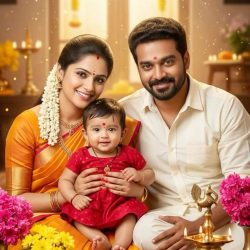
Seemantham, also known as Valaikaappu, is a traditional South Indian ceremony. It is like a spiritual “baby shower“, performed during the 5th or 7th month of pregnancy to bless the mother and the unborn child for a safe delivery and healthy growth.

ஜாதககர்மா

ஜாதகர்மா / Jatakarma

Jatakarma is an important Hindu birth ritual and one of the first Samskaras (rites of passage). It is performed immediately after a baby’s birth to welcome the child, offer blessings, and begin the child’s intellectual and physical journey in life.

WhatsApp Image 2025-12-20 at 8.50.33 PM

நாமகரணம் / Namakaranam/ Baby Naming Ceremony

Namakaranam is the traditional Hindu naming ceremony for a newborn baby, a significant cultural event where the child receives their first official name, often based on astrology, mythology, or family traditions, usually held a few weeks after birth (like the 11th, 12th, or 27th day) after a postnatal purification.

WhatsApp Image 2025-12-20 at 8.47.16 PM

நிஷ்கிரமானம் / Baby's First Outing

Nishkramana ceremony is the sixth of the 16 rituals of Hinduism, which is the ritual of introducing a child to nature outside the home for the first time, usually in the 4th month after birth, to see the sun and the moon, which symbolizes health, safety, and the child’s entry into society

anan prasanam

அன்னப்பிரசன்னம் / Annaprasanna

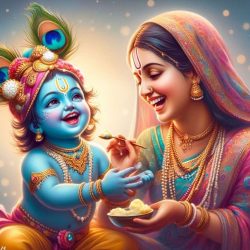
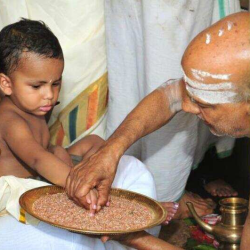
Annaprasanna ( Rice food feeding ceremony) is a traditional Hindu ritual in which a baby is fed solid food (usually rice mixed with honey, curd, and ghee) for the first time after birth; it is celebrated in the sixth month of the baby’s life, under the guidance of auspicious stars and dates, at the clan deity’s temple or at home.

சௌளம்

சௌளம் / Mottai Adithal

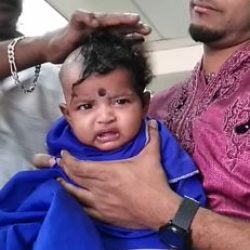
“Choula” or “Mundan” (also called Tonsure) is the ceremonial act of shaving a child’s head for the first time.In tamil culature it is also called as Mottai Adithal, It is one of the sixteen Hindu Samskaras and is also known as Chudakarana or Kesha Khandan ,At the clan deity temple (Kula Deivam)

கர்ண வேதனம்

கர்ண வேதனம் / Ear Piercing Ceremony

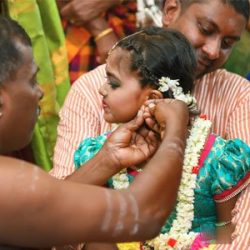
Karnavedhanam Samskaras is a Hindu ear-piercing ceremony performed for both boys and girls. it is also called “kaadhani vizha” in tamil Culture, It symbolizes spiritual awakening, intellect, and good health. The ritual is notmaly done in clan deity’s temple and is usually performed between 3–9 months or 3–5 years of age.

வித்தியாரம்பம்

வித்தியாரம்பம் /Akshara Arambam

Akshara Arambam (also known as Aksharabhyasam or Vidyarambham) is a child’s first step into learning. In this ceremony, the child is introduced to writing alphabet (“Akshara” means letters, “Abhyaasam” means practice) with the blessings of Goddess Saraswati and Lord Ganesha, usually performed between the ages of 2 and 5 years.

dinamani_2Fimport_2F2019_2F2_2F16_2Foriginal_2Fupanayanam_4

பூணூல் கல்யாணம் / Upanayanam

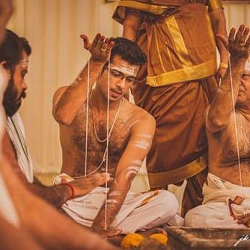
Upanayanam (or Upanayana) means “to lead near” to the Guru or the Divine. It is an important Hindu ceremony that marks a child’s entry into spiritual learning and education. During this ritual, the child receives the sacred thread or poonool  (Yajnopavitam) and is taught the Gayatri Mantra. It is often called a “twice-born” ceremony, as it begins the child’s journey as a spiritual student (Brahmacharya).

WhatsApp Image 2025-12-21 at 9.48.57 AM

ருதுசுத்தி / Age Attending Ceremony / Puberty

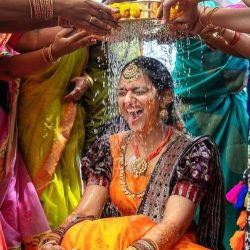
Ruthu Suthi, also known as the Age Attending Ceremony(Puberty), is a traditional ritual performed when a girl attains her first menstruation. This milestone is considered extremely important in Hindu culture, symbolizing the girl’s transition into womanhood

WeCreativez WhatsApp Support
Our customer support team is here to answer your questions. Ask us anything!
👋 Hi, how can I help?